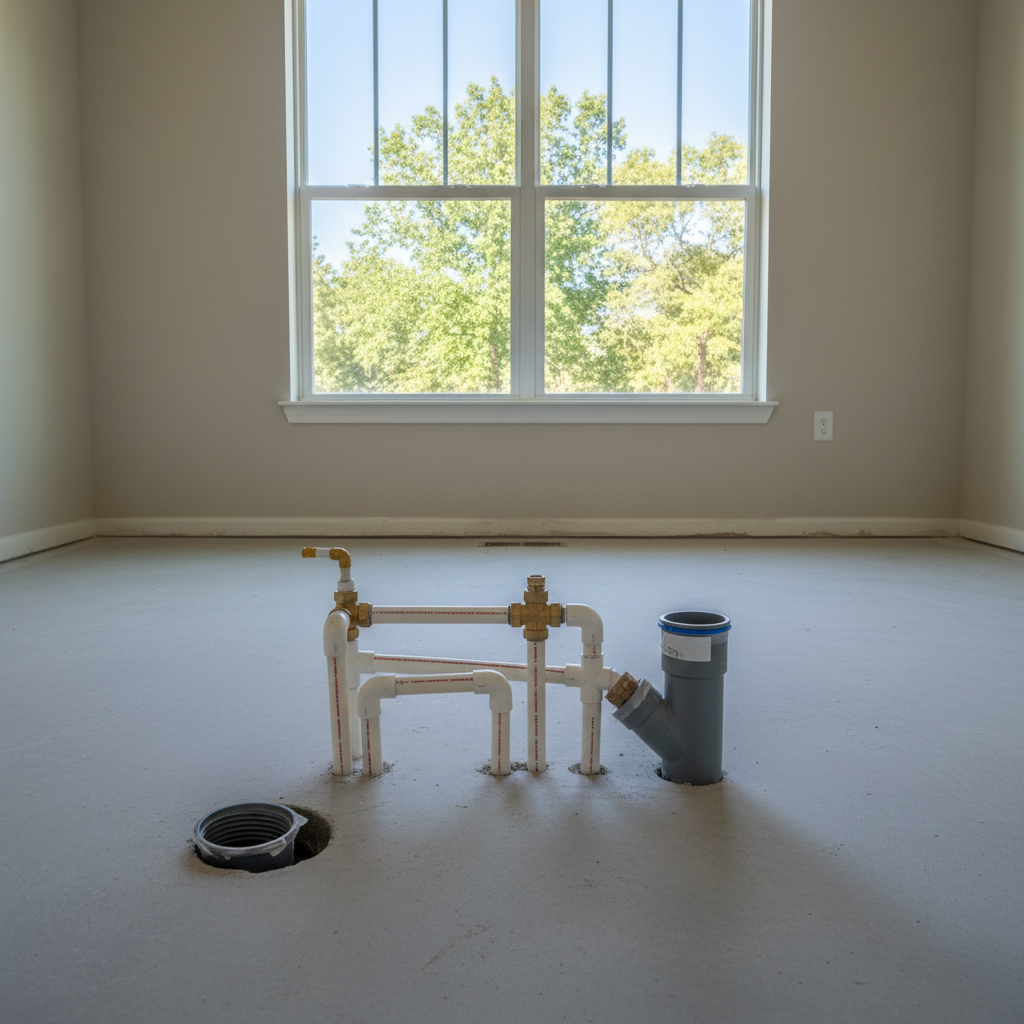
You just finished a big remodel, or maybe you're building new, and the plumbing rough-in is all done. All those pipes are tucked away behind walls, under floors, and up in the attic. Out of sight, out of mind, right? Nope, not at all. Especially here in Bixby, where our weather can be brutal and our soil shifts like crazy, you really can't just ignore what's behind the drywall. Taking care of your plumbing rough-in from day one will save you a ton of grief and money down the road. Believe me, I've seen too many folks learn this the hard way.
Making Your Plumbing Rough-In Last Longer
The biggest thing you can do to make your plumbing rough-in last is just to use it right. That sounds super simple, but it's actually where most problems start. Don't treat your drains like a trash can. Grease, coffee grounds, those 'flushable' wipes (they aren't, truly), hair, and food scraps are the absolute enemies of your pipes. They'll build up over time, narrowing the flow and eventually causing blockages that put a lot of stress on your whole system.
Another huge one, especially here in Oklahoma, is our water quality. We've got pretty hard water, you know? That means mineral deposits can build up inside your pipes, slowing down the flow and corroding fittings over time. Installing a good whole-house water softener can make a massive difference. It's an investment, sure, but it protects every single plumbing fixture and pipe in your home. Think of it like preventative medicine for your plumbing system.
Also, be smart about what goes into your garbage disposal. It's just not built to handle everything. Stringy vegetables, fruit pits, and big quantities of food scraps should really go in the trash or compost, not down the drain. If you've got PVC drains, be super careful with those harsh chemical drain cleaners. They can actually damage the pipes over time, leading to leaks. Stick to enzymatic cleaners or, even better, a plumber's snake for clogs.
Regular Upkeep: What You Can Actually Do
Regular upkeep for your rough-in is mostly about being proactive and just paying attention. You won't be tearing down walls every year, obviously, but you can definitely keep an eye on things.
- Know Your Shut-Offs: This is huge, seriously. Know where your main water shut-off valve is and how to use it. Also, find the shut-offs for individual fixtures like toilets and sinks. In an emergency, knowing this can save you thousands of dollars in water damage.
- Check for Leaks: Every now and then, peek under sinks, around toilets, and near any exposed pipes (like in your utility room or basement) for drips or moisture. Even a tiny leak can become a big problem, especially with our humid summers encouraging mold.
- Test Water Pressure: If your water pressure suddenly drops, it could mean a problem with your main line or a significant clog somewhere. You can buy a simple gauge to test it at an outdoor spigot; it's pretty easy.
- Listen to Your Pipes: Gurgling drains, banging pipes (that's called water hammer), or toilets that just keep running are all signs that something isn't quite right. Don't ignore them.
- Drain Cleaners (Carefully): For slow drains, try pouring a pot of boiling water down, then follow it with baking soda and vinegar. Let that sit for a bit, then flush with more hot water. This is a much gentler approach than harsh chemicals.
Signs of Trouble to Watch For
Your plumbing system usually gives you clues before something really bad happens. So, pay attention to these things:
- Sudden Drop in Water Pressure: Could be a leak, a clog, or an issue with your main water supply.
- Unexplained Water Stains: On ceilings, walls, or floors. This is a classic sign of a hidden leak. Don't just paint over it; you need to investigate.
- Musty Odors: If you smell dampness or mold, especially near bathrooms or kitchens, that's a big red flag for a hidden leak.
- Higher Water Bills: A mysteriously rising water bill without you changing your usage almost always points to a leak somewhere in your system.
- Slow Drains or Frequent Clogs: If you're constantly dealing with slow drains, it's not just a minor inconvenience; it's a sign of a larger blockage building up in your main lines.
- Discolored Water: Rusty or cloudy water can mean corrosion in your pipes or water heater.
- Gurgling Sounds: Especially from drains when you're not even using them, this can mean a vent line issue or a serious blockage.
When to Call a Professional
Look, I'm a contractor, not just some blogger. I know when to call in the experts, and you should too. Don't try to be a hero with plumbing, especially when it comes to rough-in issues. You can turn a small problem into a really expensive one in a hurry.
You should call a professional plumber if:
- You have a persistent leak you can't find or fix. Hidden leaks can cause structural damage and mold, you know.
- Your water bill is inexplicably high. A plumber can perform leak detection for you.
- You have no water pressure or very low pressure throughout your home. This could be a main line issue.
- You're experiencing frequent clogs in multiple drains. This often indicates a main sewer line problem, which is definitely a job for pros with specialized equipment.
- You hear strange noises from your pipes that you can't explain. Banging, gurgling, or whistling can all point to serious issues.
- You're planning any major renovations that involve moving or adding plumbing. Always get a licensed plumber involved. Here at Omega Kitchen & Bath, we always make sure our plumbing subs are top-notch and know how to integrate new lines smoothly with your existing rough-in.
- You've got a burst pipe. Shut off the main water immediately and call for emergency service.
Your plumbing rough-in is really the backbone of your home's water system. Taking care of it means taking care of your whole house. A little attention now can prevent a lot of headaches later, especially with our Bixby clay soil and the way it can shift and put stress on underground lines. Stay vigilant, and don't hesitate to call a pro when you're in over your head. It's always better to be safe than sorry, right?