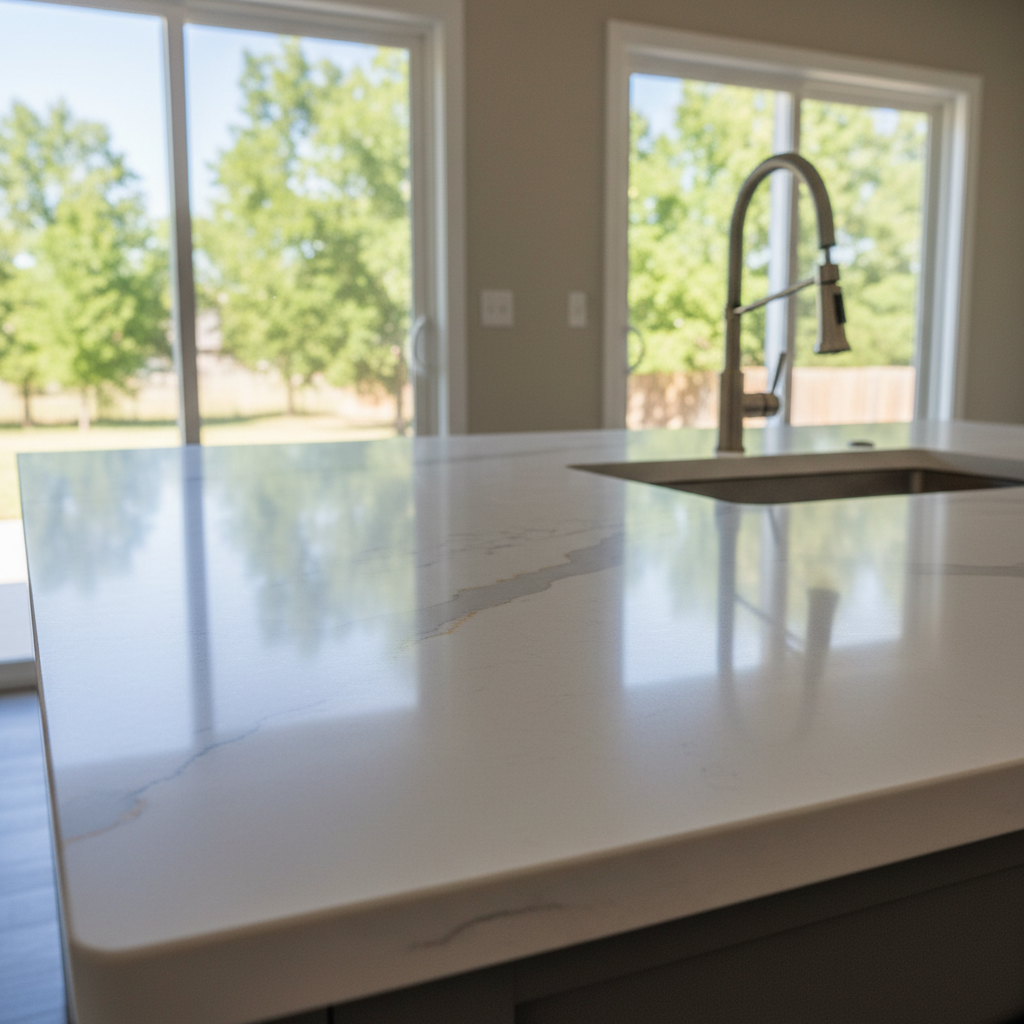
You're probably wondering if a kitchen island is right for your Bixby home. It's one of the most popular additions folks ask me about when they're looking to upgrade their kitchen. A good island isn't just a pretty face; it's a workhorse that can completely change how you use your kitchen. But there's a lot more to it than just picking out a slab of granite. Let's tackle some of the most common questions I hear from homeowners right here in Bixby.
How much space do I really need for a kitchen island?
This is probably the first thing we talk about, and it's critical. You don't want an island that makes your kitchen feel cramped. As a rule of thumb, you need at least 36 inches of clear walkway around all sides of your island. That's the minimum. If you've got major thoroughfares or appliances like a dishwasher or oven that open into that space, you'll want more, closer to 42-48 inches. Imagine someone standing at the open dishwasher, and another person needs to walk past them. If you're in a typical Bixby home, say in the South Lakes area, where kitchens can sometimes feel a bit tighter, measuring carefully is even more important. We'll tape it out on your floor to make sure it feels right before we even think about cutting anything.
Can I put a sink or cooktop in my island?
Absolutely, but it adds a layer of complexity and cost. If you want a sink, you're looking at running new plumbing lines – water supply and drain – to the island. For a cooktop, you'll need gas lines or dedicated electrical wiring, plus proper ventilation, usually a downdraft or an overhead hood. This means cutting into your floor, running lines under the house or through the subfloor, and then patching everything up. It's definitely doable, and it can be fantastic for entertaining, but it's not a simple plug-and-play. We've done plenty of these at Omega Kitchen & Bath, so we know the drill. Just be prepared for the extra work involved.
What's the typical cost for a kitchen island installation?
This is the million-dollar question, and honestly, it varies wildly. A basic, non-plumbed, non-electric island with a simple countertop could start around $3,000-$5,000 for materials and installation. If you're adding a sink, a dishwasher, a cooktop, or a microwave drawer, that price climbs fast. High-end custom cabinetry, exotic countertops, and complex electrical/plumbing work can push it well over $10,000, sometimes even $15,000 or more. It really depends on the size, materials, and what features you want to integrate. We'll give you a detailed quote once we understand your vision.
Do I need to anchor my kitchen island to the floor?
Yes, almost always. Any island that's not a small, mobile cart needs to be securely anchored. This is a safety issue. You don't want it tipping over if someone leans on it, or if kids are climbing around. If it's a permanent fixture, especially with a heavy countertop like granite or quartz, we'll bolt it directly to the subfloor. If it's got plumbing or electrical, it's definitely getting anchored. Even if it's just cabinets, it's good practice. It provides stability and prevents movement, which can damage plumbing or electrical connections over time.
What are the best countertop materials for an island?
You've got a lot of choices here, and each has its pros and cons. Quartz is super popular right now because it's durable, non-porous, and comes in a ton of colors and patterns. Granite is another classic; it's natural, heat-resistant, and each slab is unique. Butcher block gives a warm, rustic feel, but it needs regular oiling. Marble is beautiful but soft and prone to etching. Concrete can give a modern, industrial look. Laminate is the most budget-friendly but less durable. What's 'best' really comes down to your budget, your kitchen's style, and how you plan to use the island. If you're a big baker, you might love a cool marble section. If you're tough on surfaces, quartz might be your friend.
How long does an island installation usually take?
If we're just talking about installing a pre-built or custom-built island cabinet and countertop, it can often be done in a day or two. However, if you're adding plumbing, electrical, or gas lines, that's where the timeline stretches out. We're talking about bringing in plumbers and electricians, cutting into floors, inspecting lines, and then patching everything up before the island even goes in. This can easily add several days, or even a week or more, to the overall project, depending on the complexity and how many other trades are involved. We always try to give you a realistic timeline upfront so you know what to expect.
Are there any building codes or permits I need to worry about in Bixby?
You bet there are. Any time you're messing with plumbing, electrical, or structural changes, you'll likely need a permit from the City of Bixby. This isn't just red tape; it's to ensure everything is done safely and up to code. For example, if you're running new electrical lines for an outlet or a cooktop, it needs to be inspected. If you're adding a sink, the plumbing needs to be inspected. We handle all the permitting process for you at Omega Kitchen & Bath, so you don't have to worry about it. It's just part of doing things the right way, protecting your investment, and ensuring your home is safe.