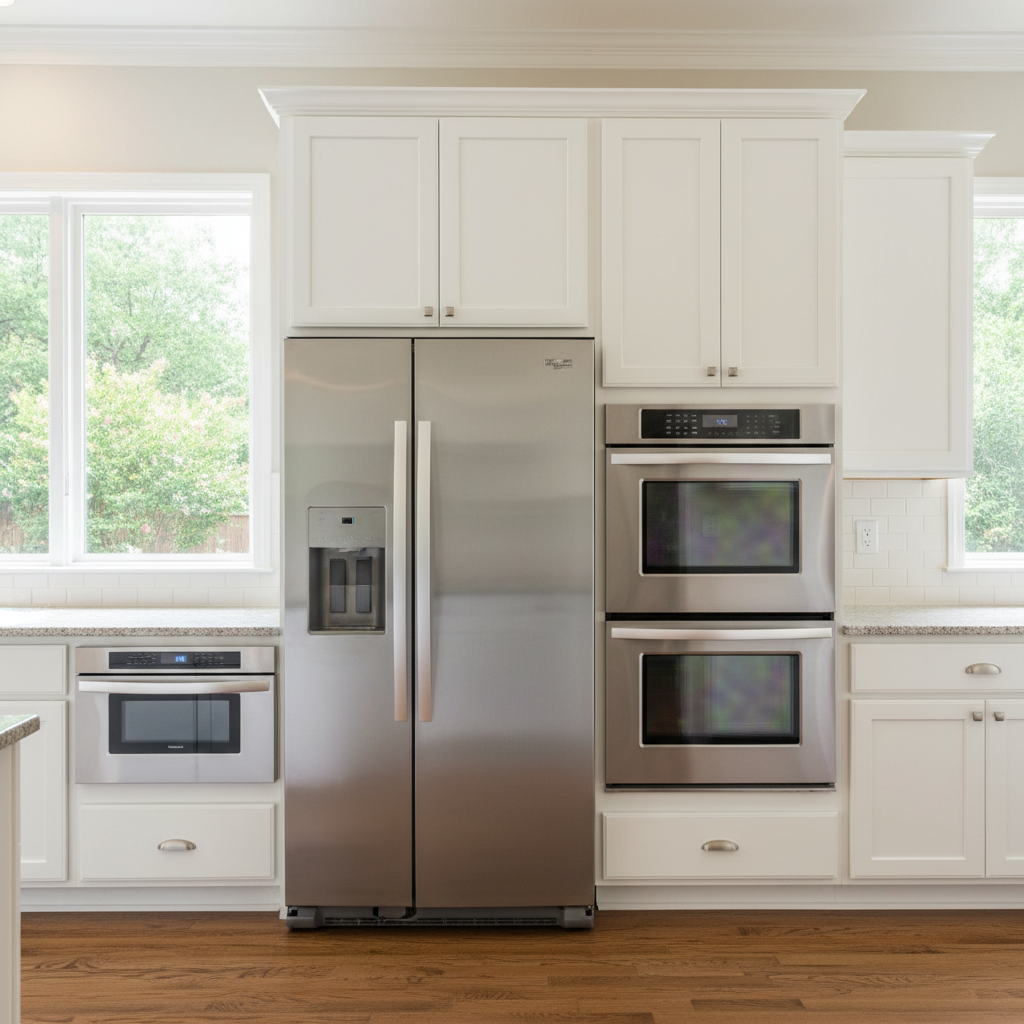
You just bought a shiny new refrigerator, a high-tech oven, or that super quiet dishwasher you've been dreaming about. Exciting, right? It should be! But for a lot of folks here in Bixby, that excitement can turn into a real headache if the installation goes sideways. I've been doing this a long time, and I've seen some common blunders that cost homeowners extra time, money, and a whole lot of frustration. Let's talk about how you can avoid them.
Mistake #1: Skipping the Site Prep Homework
This is probably the biggest one. People get caught up in the appliance features, but they forget to measure, measure, and measure again. It’s not just about the appliance fitting in the hole. You need to think about the path it takes to get there. Will it fit through the front door? Around that tight corner in the hallway? Past your kitchen island?
I've seen brand new fridges stuck in garages because they couldn't clear a doorway. Or a new range that didn't fit because the gas line was in the wrong spot or the electrical outlet wasn't where it needed to be. Before you even order, pull out your tape measure. Check the dimensions of the appliance, then check every doorway, hallway, and turn it has to make. Don't just eyeball it. This goes double for older homes in areas like South Bixby, where doorways might be narrower or kitchens laid out differently than modern builds.
Mistake #2: Underestimating Utility Requirements
Modern appliances can be power hungry or have specific hookup needs. That fancy induction range? It probably needs a dedicated 240V circuit, not just a standard 120V outlet. Your new tankless water heater? It's got different venting and gas line requirements than your old one. Your smart fridge with an ice maker? It needs a water line.
Don't assume your existing hookups will work. Always check the appliance's specifications. If you're upgrading from electric to gas, or vice-versa, you're looking at more than just an installation – you're looking at a utility conversion, which means plumbing or electrical work. Trying to force an appliance into an incompatible setup is a recipe for disaster, and it's a safety hazard.
Mistake #3: Trusting the Delivery Guys for Installation
Look, the delivery teams are usually great at getting your new appliance from the truck to your house. That's their job. But they're often not licensed plumbers, electricians, or gas fitters. They're trained to do basic hookups, and sometimes, that's all you need. But if there's any doubt about the existing lines, if it needs modifications, or if it's a complex installation, they're not the right people for the job.
I've been called in after delivery teams refused to install because of a tricky gas line or an old, corroded water shut-off valve. Then you're stuck with a new appliance sitting in your kitchen, and you have to scramble to find a qualified pro. It's better to plan ahead and have the right person lined up if you suspect anything beyond a simple plug-and-play.
Mistake #4: Forgetting About Permits
This one catches people off guard, especially with gas appliances or major electrical changes. Depending on the scope of work, you might need a permit from the City of Bixby. If you're moving gas lines, upgrading electrical service, or even installing certain types of exhaust hoods, a permit is often required. This isn't just bureaucracy; it's about safety and ensuring the work meets code.
A reputable contractor, like us at Omega Kitchen & Bath, will know when a permit is needed and can help you navigate that process. Skipping a permit can lead to fines, having to redo work, or even issues when you try to sell your home down the line.
Mistake #5: Not Vetting Your Installer Properly
This applies whether you're hiring a contractor for a full kitchen remodel or just a standalone appliance install. Don't just go with the cheapest quote or the first person you find online. You're inviting someone into your home to work on critical systems.
- Check for licenses and insurance: Are they properly licensed for plumbing, electrical, or general contracting work in Oklahoma? Do they have liability insurance? This protects you if something goes wrong.
- Read reviews: What do other local homeowners say about them?
- Get a written estimate: Make sure it details the scope of work, materials, and labor.
- Ask about warranties: What's their guarantee on the installation work?
A good installer will ask you questions, check your existing setup, and point out potential issues before they start. They won't just show up and try to jam something in. Taking a little extra time upfront to find the right pro can save you a world of trouble and expense later on.
Installing a new appliance should be an upgrade, not a headache. By avoiding these common mistakes, you can ensure your new purchase gets hooked up safely, correctly, and without any unwelcome surprises.